
The evolution of gambling a journey through history
Origins of Gambling in Ancient Civilizations
The roots of gambling can be traced back thousands of years to ancient civilizations. Archaeological evidence suggests that as early as 3000 BC, the Chinese were using rudimentary forms of gaming with tiles and other materials to bet on various outcomes. Similarly, ancient Egyptians and Romans engaged in betting games, often linked to social and religious events, showcasing the cultural significance of gambling in their societies. As you explore modern gaming options, our list of new casinos helps you stay updated with the latest offerings.
These early forms of gambling often revolved around chance, with games like dice being prevalent. As trade routes expanded, these gambling practices spread across different cultures, adapting and evolving into various forms. This laid the foundation for more organized gambling activities, leading to the development of games and betting systems that we recognize today.
The Middle Ages and the Rise of Gaming Houses
During the Middle Ages, gambling began to take on a more structured form with the establishment of gaming houses across Europe. These establishments offered a variety of games, such as cards and dice, and became popular social venues. The gambling culture flourished, drawing in both the nobility and common folk, leading to a more formalized approach to betting.
As gambling gained popularity, various laws and regulations were instituted. The Church, often wary of gambling’s influence, attempted to impose restrictions, labeling it as a vice. However, this did not deter enthusiasts; instead, it spurred underground gambling activities, highlighting the resilience of gambling practices despite societal pushback.
The Advent of Casinos in the 18th Century
The 18th century marked a significant turning point in the evolution of gambling with the establishment of the first official casinos. Venice is often credited with opening the world’s first casino, the Ridotto, in 1638. This venue provided a regulated environment for gambling, allowing patrons to engage in various games in a sophisticated setting.
Casinos spread rapidly across Europe, particularly in France, where the popularity of games like roulette and baccarat soared. The rise of casinos transformed gambling from a casual pastime into a highly organized industry, attracting wealthy patrons and eventually leading to the luxurious establishments we see today.
The Digital Revolution and Online Gambling
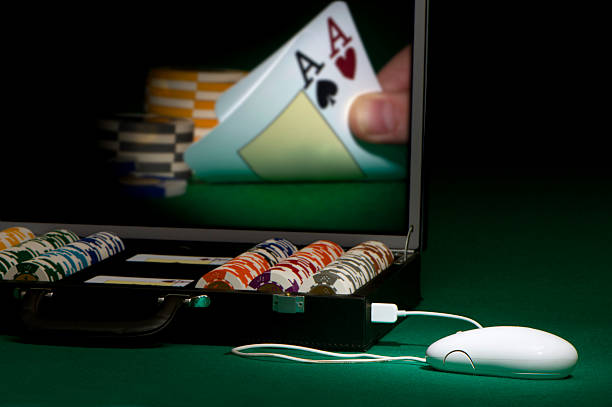
The late 20th and early 21st centuries ushered in a digital revolution, dramatically changing the landscape of gambling. The advent of the internet in the 1990s allowed for the creation of online casinos, enabling players to gamble from the comfort of their homes. This accessibility opened the doors to a wider audience, providing opportunities for millions who may not have access to traditional casinos.
Online gambling quickly evolved with advancements in technology, offering a diverse range of games, from poker to slots. The convenience and anonymity of online gambling attracted many, making it a global phenomenon. Furthermore, developments such as mobile gaming have further integrated gambling into daily life, demonstrating the adaptability of this age-old practice.

Exploring Modern Gambling with Us
As the gambling landscape continues to evolve, our website serves as a trusted resource for players seeking to navigate this dynamic environment. We provide detailed insights into both online and land-based casinos, helping enthusiasts make informed decisions. Our expert reviews and comparisons ensure that users can find safe and entertaining gaming options tailored to their preferences.
With a focus on user experience, we strive to enhance your gaming journey by highlighting the best new platforms and promotional offers. Whether you are a seasoned player or new to the world of gambling, our guide is designed to facilitate an enjoyable and responsible gaming experience, reflecting the rich history and future of gambling.